Turbinate Surgery

Beverly Hills, CA

Introduction

Introduction to Turbinate Surgery

At AMora MD in Beverly Hills, CA, turbinate surgery is a specialized procedure that alleviates chronic nasal congestion and improves airflow. This treatment is crucial for improving breathing, ensuring better sleep, and reducing recurrent sinus infections.

With a focus on advanced surgical techniques and patient-centered care, AMora MD is dedicated to providing effective outcomes through personalized treatment plans for its clients in the greater Los Angeles area.

A close up of a man looking directly in camera. He is wearing a silver chain, a white Tshirt, and a tan jacket over top. He has some facial hair including a mustache. He has dark brown hair and dark brown eyes. - Turbinate surgery in Santa Barbara, CA

What Are Turbinates?

Turbinates are structures on the sidewall of the inside of the nose. They project into the nasal passages as ridges of tissue. Their function is to clean and humidify the air as it moves through the nose into the lungs. Turbinate hypertrophy occurs when the turbinates enlarge, which can lead to congested or blocked nasal breathing, nighttime breathing difficulties, snoring, chronic nosebleeds, and/or chronic sinus infections. When medications do not remedy this condition, a turbinate reduction (turbinoplasty) may be required.
Transparent logo template

What Is Turbinate Surgery?

Turbinate surgery, or turbinoplasty, is a precise surgical procedure that reduces the size of the turbinates in the nose. Turbinate surgery corrects the problem of nasal obstruction by reducing the turbinate size and decreasing airway resistance while preserving the natural function of the turbinates. This improves nasal breathing and can also help to reduce nasal drainage and post-nasal drip. The surgery may be performed in conjunction with a surgical septoplasty, sinus surgery, or rhinoplasty.

Who Are the Best Candidates For Turbinate Surgery?

Ideal candidates for turbinate surgery are individuals with chronic nasal congestion that persists despite the use of medications such as nasal steroids or antihistamines. These individuals often have enlarged turbinates due to chronic inflammation, allergies, or nasal structural abnormalities that significantly obstruct airflow.

Such patients typically experience frequent sinus infections, snoring, and sleep disruptions caused by nasal blockages, which impair their breathing day and night and reduce their quality of life. Before surgery, you will have a thorough evaluation with us. This may include diagnostic procedures like nasal endoscopy to assess turbinate size and nasal anatomy. Candidates with a clear structural cause for their symptoms and good overall health are most likely to benefit from turbinate reduction surgery.

What Are the Benefits of Turbinate Surgery?

Improved Breathing – The primary advantage of turbinate reduction is the dramatic improvement in airflow through the nasal passages. This enhancement allows patients to breathe more easily, especially those who previously relied on mouth breathing due to blocked nostrils.

Reduction in Nasal Congestion – Patients often experience a significant decrease in daily nasal congestion. Turbinate reduction surgery effectively reduces the volume of tissue causing the blockage, alleviating the constant feeling of a “stuffed” nose.

Enhanced Sleep Quality – Turbinate surgery can significantly improve sleep quality by improving airflow. This is particularly beneficial for individuals with sleep disturbances such as snoring or sleep apnea, which are often exacerbated by nasal obstructions.

Decreased Dependency on Nasal Sprays – Many patients with enlarged turbinates depend on decongestant sprays to relieve symptoms. Post-surgery, reduced turbinate size may reduce or eliminate the need for these medications.

Lowered Risk of Sinus Infections – Improving nasal airflow reduces the risk and frequency of sinus infections by preventing fluid buildup in the sinuses, which is a common site for bacterial growth when airflow is restricted.

Long-Term Results – Unlike temporary treatments, turbinate reduction surgery provides a long-term solution to turbinate hypertrophy. This provides lasting relief without requiring ongoing treatment.

Minimal Recovery Time – The recovery time for turbinate surgery is relatively short, and most patients can return to normal activities within a week. However, full recovery may take a few weeks, and patients should avoid strenuous activities and blowing their nose for the first week after surgery.

Increased Overall Comfort – Reducing turbinate size not only improves physical symptoms but also contributes to overall comfort in daily life. This also reduces the irritation and stress caused by chronic nasal congestion.

Dr. Moradzadeh, wearing a jean jacket, shown examining a patient. Patients holding a mirror in front of her. - First step in Santa Barbara, CA Long shot of a granite rock wall

What’s the First Step?

The first step toward turbinate surgery in the Los Angeles area is a consultation with Dr. Arash Moradzadeh at AMora MD in Beverly Hills.

He will want to chat about your symptoms, how long they have been present, and how they affect your breathing, sleep, and daily comfort. After that, a nasal examination will be performed to evaluate turbinate size, nasal airflow, and overall anatomy.

Dr. Moradzadeh will then review your medical history and any treatments you have already tried, such as nasal sprays, allergy medications, or prior nasal procedures.

If turbinate hypertrophy is identified as the primary cause of your nasal obstruction and conservative treatments have not provided lasting relief, he will discuss whether turbinate surgery is appropriate for you.

What to Expect on the Day of Turbinate Surgery

Turbinate reduction does not involve cutting through the skin. It is performed entirely through the nostrils. Using an endoscope to improve visualization, Dr. Moradzadeh makes a small puncture in the mucosal lining of the turbinate and carefully reduces its size with a microdebrider. This innovative device allows the turbinate to be reduced on the inside without damaging the mucosal lining.

It is important not to remove the turbinate completely, as this can lead to a dry, crusted turbinate. Without a turbinate, the air an individual breathes is not adequately humidified or warmed. Sometimes, turbinate tissue will re-grow after turbinate surgery, in which case the procedure may need to be repeated.

Dr. Moradzadeh, wearing a jean jacket, shown examining a patients nose with a cotton swab. - Expect in Santa Barbara, CA
Transparent template

Turbinate Surgery Recovery

Your Guide to Post-Turbinate Surgery Care

Patients can expect mild pain, nasal stuffiness, and mild nasal drainage after the procedure. These conditions, which are a normal part of the healing process, improve significantly after the first week.

Dr. Moradzadeh may advise you to use saline sprays or irrigations after surgery and will provide other post-operative instructions to ensure your nose heals properly.

How Much Does Turbinate Surgery Cost in Los Angeles, CA?

The cost of turbinate surgery in Beverly Hills and Los Angeles depends on the complexity of the procedure, whether it is performed alone or combined with septoplasty, sinus surgery, or rhinoplasty, and on anesthesia and facility fees.

In many cases, turbinate surgery is considered medically necessary when performed to relieve chronic nasal obstruction. As a result, insurance may cover part or all of the procedure, depending on your plan and preauthorization requirements.

During your consultation, the AMora MD team will review your insurance benefits with you and provide a transparent estimate of any out-of-pocket costs.

Why Choose Dr. Moradzadeh?

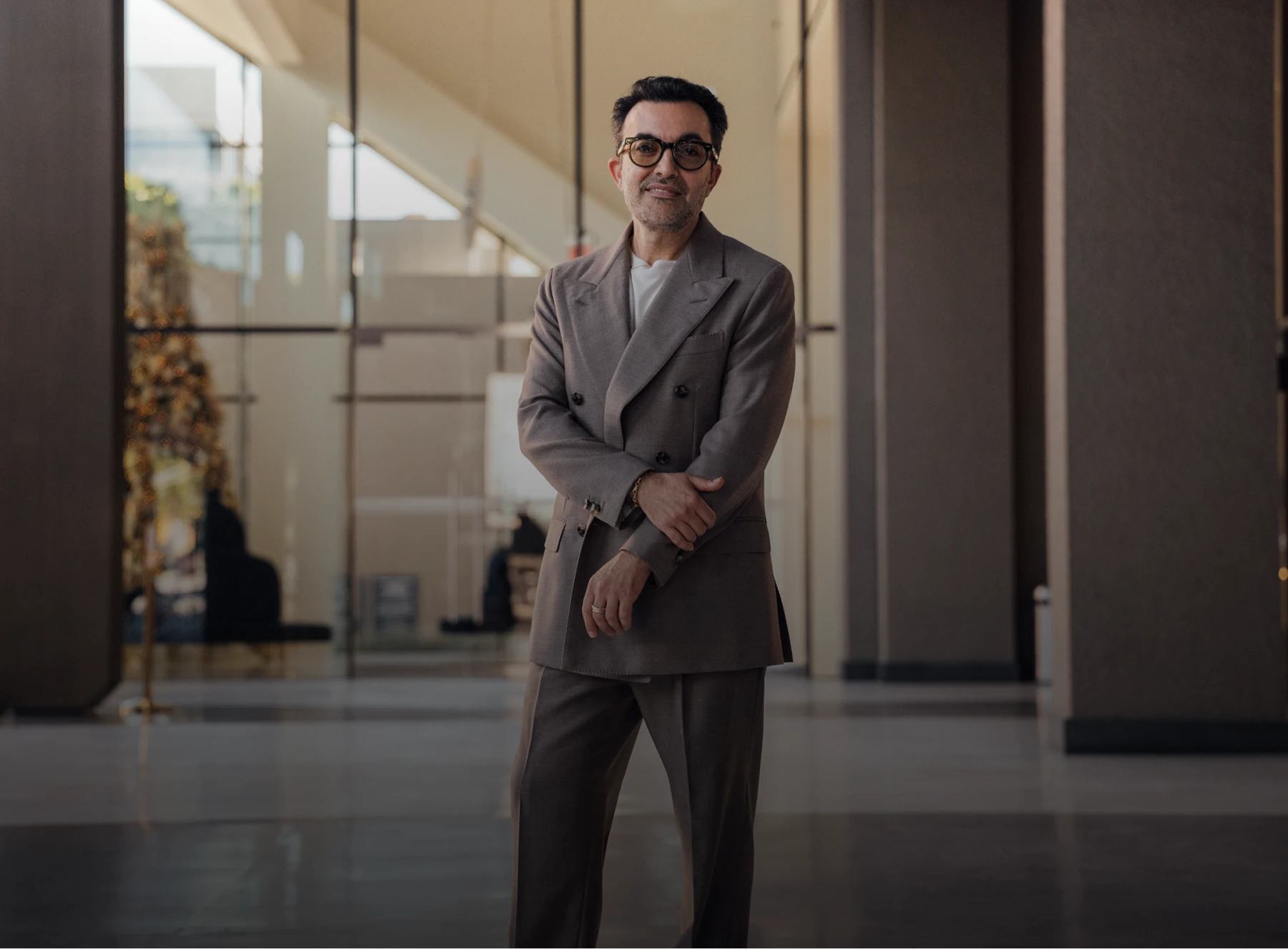
Dr. Arash Moradzadeh brings extensive expertise in turbinate surgery through his dual board certifications from the American Board of Facial Plastic and Reconstructive Surgery and the American Board of Otolaryngology. He is also an active member of the American Academy of Facial Plastic and Reconstructive Surgery, reflecting advanced training in both functional nasal surgery and facial balance.

At AMora MD, Dr. Moradzadeh focuses on improving clients’ airflow while preserving the natural function of the turbinates and avoiding over-resection that can lead to long-term dryness or discomfort.

Dr. Moradzadeh wearing a brown suit and white shirt, portrait posed

Turbinate Surgery FAQ’S

Schedule Your Consultation

At AMora MD in Los Angeles, CA, we pride ourselves on delivering turbinate surgery. This procedure is designed to significantly improve nasal airflow, reduce chronic congestion, enhance sleep quality, and reduce reliance on nasal sprays.

If you’re struggling with persistent nasal blockages and looking for a long-term solution, turbinate surgery might be the right choice for you. We invite you to book a consultation at AMora MD, where we can provide a thorough evaluation and discuss how this procedure could benefit you. Contact us online or call us at (310) 659-9900 to take the first step toward improving your nasal health and overall well-being.