Mohs Reconstruction

Beverly Hills, CA

Introduction

Introduction to Mohs Reconstruction Surgery

It’s estimated that over one million cases of skin cancer are diagnosed in the United States each year, and that number seems to be rising. Moreover, approximately 93-97% of all skin cancer occurs on highly visible parts of the body, such as the head, face, ears, neck, hands, and arms, because these areas typically receive the most sun exposure.

The good news is that early detection (while the cancer is still localized) yields a near-99% survival rate. The survival rate drops steadily in proportion to how far the cancer has spread at the time of detection, so regular screenings are important.

While certain types of skin cancer can be treated with cryotherapy (freezing), lasers, electrodessication and curettage (alternate scraping and burning of the lesion), and even topically applied chemotherapy, other types require surgical removal.

Mohs Micrographic Surgery is the most advanced and effective treatment for skin cancer. The procedure is performed by specially trained surgeons who have completed at least one additional year of fellowship training under the tutelage of a Mohs College member.

Initially developed by Dr. Frederic E. Mohs, the Mohs procedure is a state-of-the-art treatment, continuously refined over 70 years, that enables the surgeon to precisely identify and remove the entire tumor layer by layer while leaving the surrounding healthy tissue intact. As the most exact and precise method of tumor removal, it minimizes the chance of re-growth and lessens the potential for scarring or disfigurement.

When performed by an experienced Mohs surgeon, Mohs surgery has the highest success rate among skin cancer treatments. Clinical studies conducted at various national and international medical institutions, including the Mayo Clinic, the University of Miami School of Medicine, and Royal Perth Hospital in Australia, have shown that Mohs surgery provides five-year cure rates exceeding 99 percent for new cancers and 95 percent for recurrent cancers.

The Mohs technique is also the treatment of choice for cancers of the face and other sensitive areas because it relies on the accuracy of a microscopic surgical procedure to delineate the tumor margins and ensure complete removal of all tumor down to the roots during the initial surgery. Mohs Micrographic Surgery is also an effective and precise method for treating basal cell and squamous cell skin cancers.

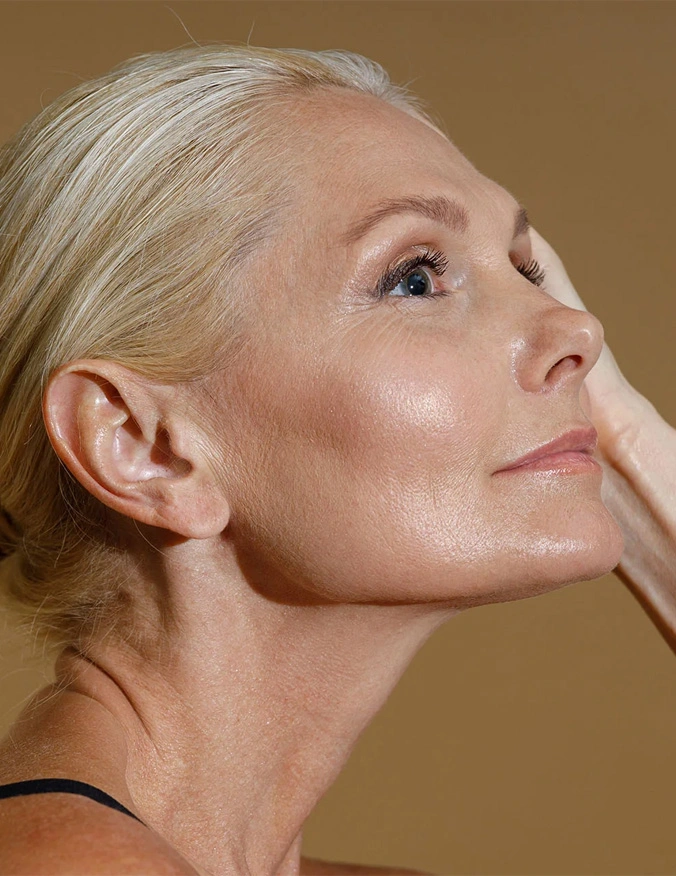
A close up shot of the side of a women's face looking to the right of the image. She has light eyes and blonde hair and her hand Is touching the opposite side of her face. - Mohs Reconstruction in Santa Barbara, CA

What is Mohs Reconstruction Surgery?

Mohs reconstruction surgery is the specialized reconstructive procedure performed after Mohs Micrographic Surgery has successfully removed skin cancer. Once the cancer is cleared, the focus shifts from cancer treatment to restoring the appearance and function of the affected area.

Because Mohs surgery removes tissue layer by layer until no cancer cells remain, the size and shape of the resulting defect can vary significantly. Reconstruction is not simply about closing a wound; it involves reshaping tissue, preserving facial symmetry, and maintaining critical functions such as breathing, blinking, speaking, and smiling.

Mohs reconstruction surgery may involve advanced techniques such as local tissue flaps, skin grafts, cartilage or bone grafting, or staged reconstruction, depending on the location and complexity of the defect.

Mohs Surgery can be used when:

  • The cancer is in an area where it is important to preserve healthy tissue to maximize functional and cosmetic outcomes, such as the eyelids, nose, ears, or lips.
  • Scar tissue exists in the area of the cancer.
  • The cancer is large.
  • The edges of the cancer cannot be clearly defined.
  • The cancer is growing rapidly or uncontrollably
Transparent logo template

Who Are the Best Candidates For Mohs Reconstruction Surgery?

Patients who undergo Mohs surgery for skin cancer and are left with a visible or complex surgical defect are often excellent candidates for Mohs reconstruction surgery.

Ideal candidates for Mohs reconstruction surgery are located in the greater Los Angeles area, are in good overall health, and do not have active infections near the surgical site.

Dr. Moradzadeh carefully evaluates each patient to determine the safest and most effective reconstructive approach, prioritizing both medical necessity and cosmetic outcomes.

What Are the Benefits of Mohs Reconstruction Surgery?

One of the biggest benefits of Mohs reconstruction surgery is the ability to restore the face after cancer removal while maintaining natural contours and expressions.

Additional benefits include:

  • Restoration of facial symmetry and balance
  • Preservation of essential facial functions
  • Minimized scarring through advanced reconstructive techniques
  • Customized surgical planning based on facial anatomy
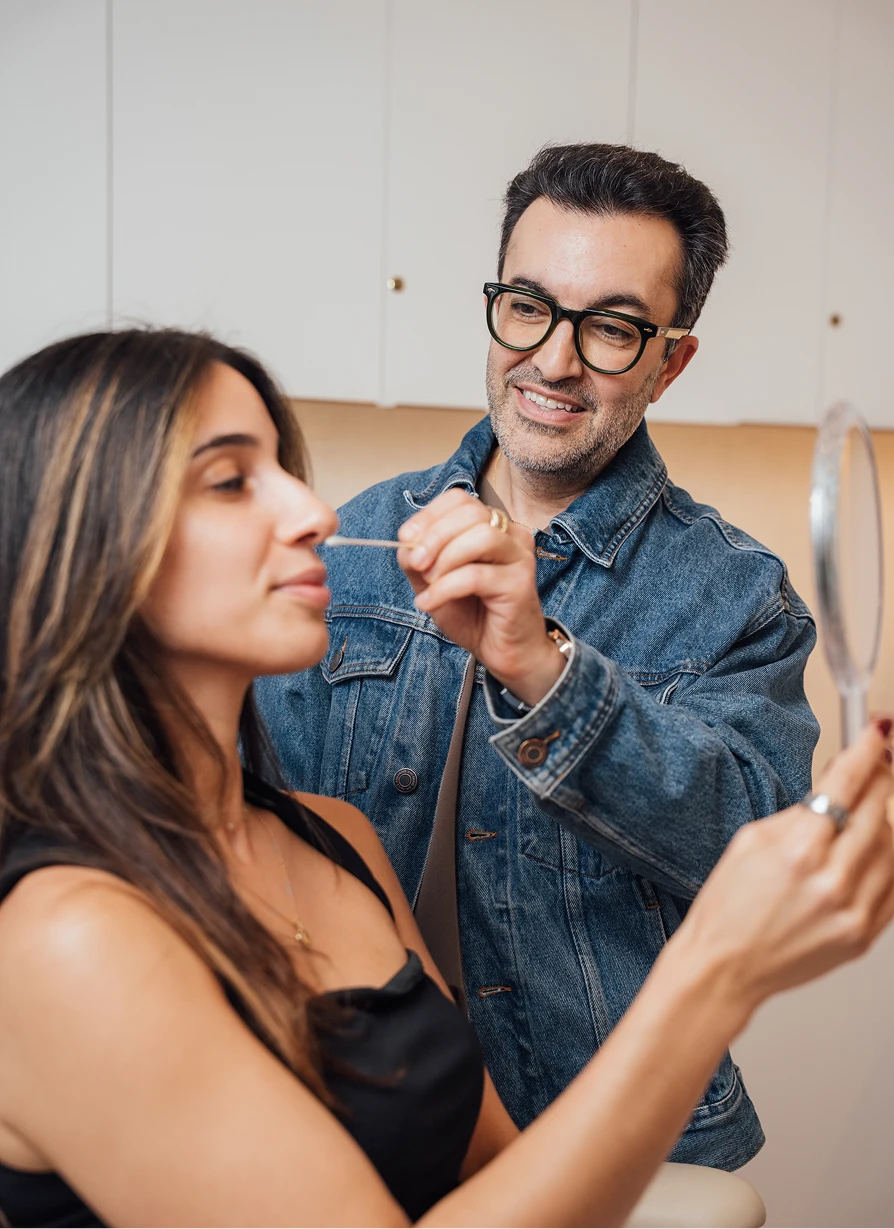
Dr. Moradzadeh, wearing a jean jacket, shown examining a patient. Patients holding a mirror in front of her. - First step in Santa Barbara, CA Long shot of a granite rock wall

What’s the First Step?

The first step is a consultation with Dr. Arash Moradzadeh at AMora MD in Beverly Hills. This consultation may occur before or after Mohs surgery, depending on your Mohs surgeon’s schedule.

During your visit, Dr. Moradzadeh will review your diagnosis, examine the affected area, and discuss potential reconstructive strategies. He will explain the timing, expected recovery, and aesthetic goals of reconstruction while answering any questions you may have.

What to Expect on the Day of Mohs Reconstruction Surgery

Mohs surgery is usually an outpatient procedure performed in the surgeon’s office. Typically, it begins early in the morning and is completed the same day, depending on the extent of the tumor and the extent of reconstruction required. Local anesthesia is administered around the area of the tumor so the patient is awake during the entire procedure. Dr. Moradzadeh will coordinate your surgery with only the best Mohs surgeons.

Once the Mohs surgery is complete, Dr. Moradzadeh will evaluate the cosmetic defect and determine the type of repair needed to restore form and function. Dr. Moradzadeh’s Mohs reconstruction techniques will often leave your face with no evidence of the prior excision. The goal is to restore your appearance as closely as possible to normal.

It’s important to keep in mind that there’s no single “formula” for post-Mohs reconstructive surgery, since the locations, amounts, and types of tissues affected vary from patient to patient. Certain techniques that are commonly used include:

  • Flap techniques (the most commonly used technique in post-skin cancer facial reconstruction)
  • LBone grafting (Bone is taken from the skull and shaped to be placed into the excision site.)
  • Cartilage grafting (The most common donor site is the ear, but rib cartilage is also used.)
  • Tissue expansion (used in a small percentage of cases)
Dr. Moradzadeh, wearing a jean jacket, shown examining a patients nose with a cotton swab. - Expect in Santa Barbara, CA
Transparent template

Mohs Reconstruction Surgery Recovery

Your Guide to Post-Facelift Care

Most of Dr. Moradzadeh’s patients experience swelling, bruising, and mild discomfort during the initial healing phase, which typically improves over the first one to two weeks.

Stitches are usually removed within one to two weeks, depending on the surgical site. Patients are advised to limit strenuous activity, protect the area from sun exposure, and follow all post-operative instructions closely.

While early results are noticeable once swelling subsides, the reconstructed area continues to refine over several months. Scar maturation can take up to a year, with scars gradually softening and fading over time.

How Much Does Mohs Reconstruction Surgery Cost in Los Angeles, CA?

The cost of Mohs reconstruction surgery in Beverly Hills and Los Angeles varies based on several factors, including the size and location of the defect, the complexity of reconstruction, and whether grafting or staged procedures are required.

In many cases, reconstructive surgery following skin cancer removal may be partially covered by insurance. During your consultation, Dr. Moradzadeh’s team will review your individual case and help clarify coverage, fees, and payment options.

Why Choose Dr. Moradzadeh?

In the Los Angeles area, Dr. Arash Moradzadeh is a trusted choice for Mohs reconstruction because his training is specifically focused on the face and its complex anatomy. He is dual board-certified by the American Board of Facial Plastic and Reconstructive Surgery and the American Board of Otolaryngology, and is a member of the American Academy of Facial Plastic and Reconstructive Surgery.

Dr. Moradzadeh has extensive experience restoring form and function after Mohs surgery, particularly in highly visible areas like the nose, eyelids, lips, ears, and cheeks. When appropriate, he uses techniques that minimize visible incisions, along with precise flap design, cartilage or bone grafting, and closure.

He also places strong emphasis on scar management, employing meticulous surgical technique and customized aftercare, including topical treatments and laser therapy as indicated.

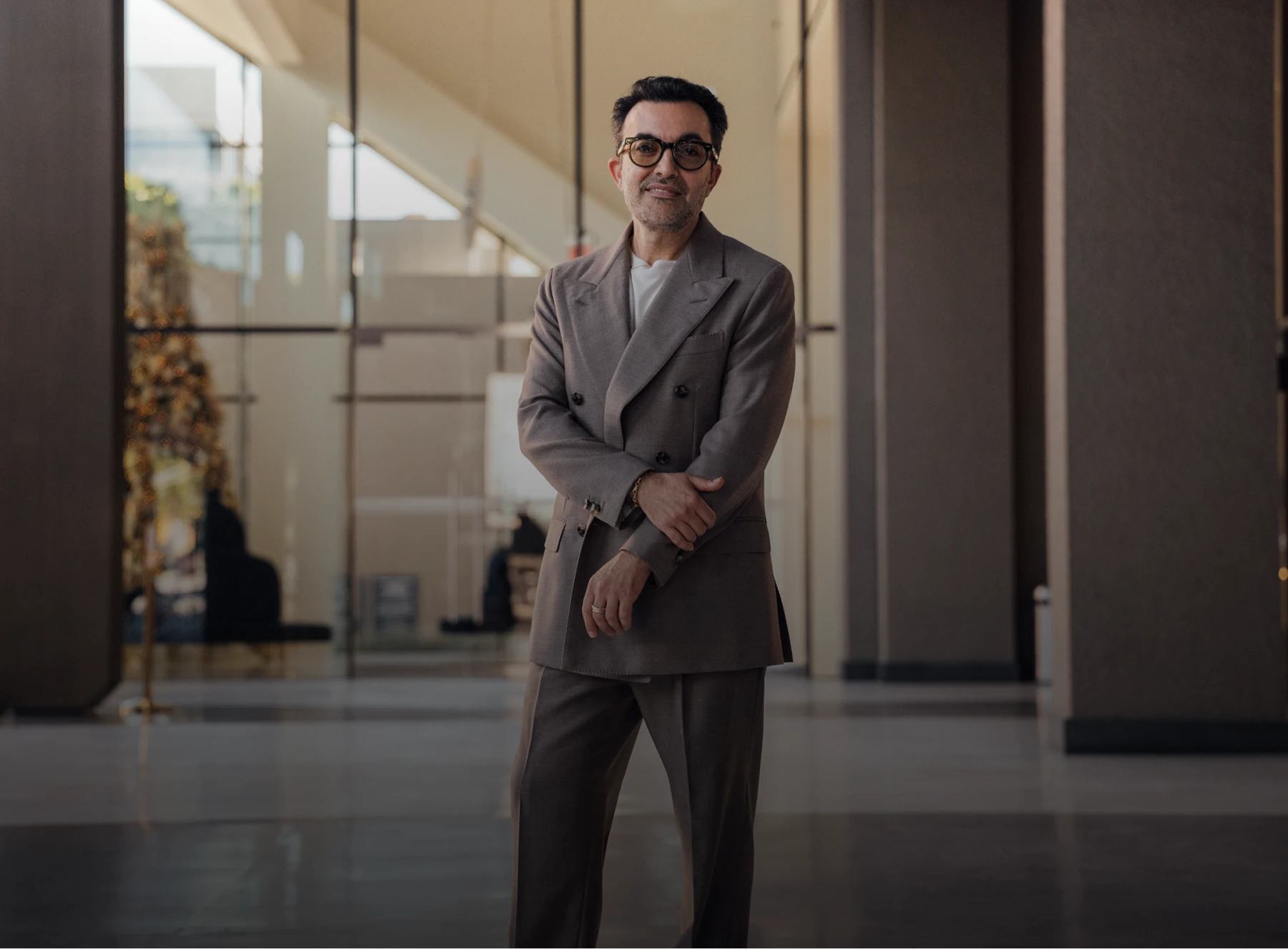
Dr. Moradzadeh wearing a brown suit and white shirt, portrait posed

Mohs Reconstruction FAQ’S

Schedule Your Consultation

If you are preparing for Mohs surgery or have recently undergone excision of skin cancer, Mohs reconstruction may be an essential component of your treatment plan.

Contact AMora MD today to schedule your personalized consultation in the greater Los Angeles area.