What is an Acne Scar Treatment?
Acne scar treatment refers to a customized, multimodal approach to improve the texture, tone, and overall appearance of skin that prior acne breakouts have permanently altered. Unlike active acne treatments, which focus on controlling oil production and inflammation, acne scar treatments address the structural damage left behind when inflammation disrupts the skin’s natural healing process.
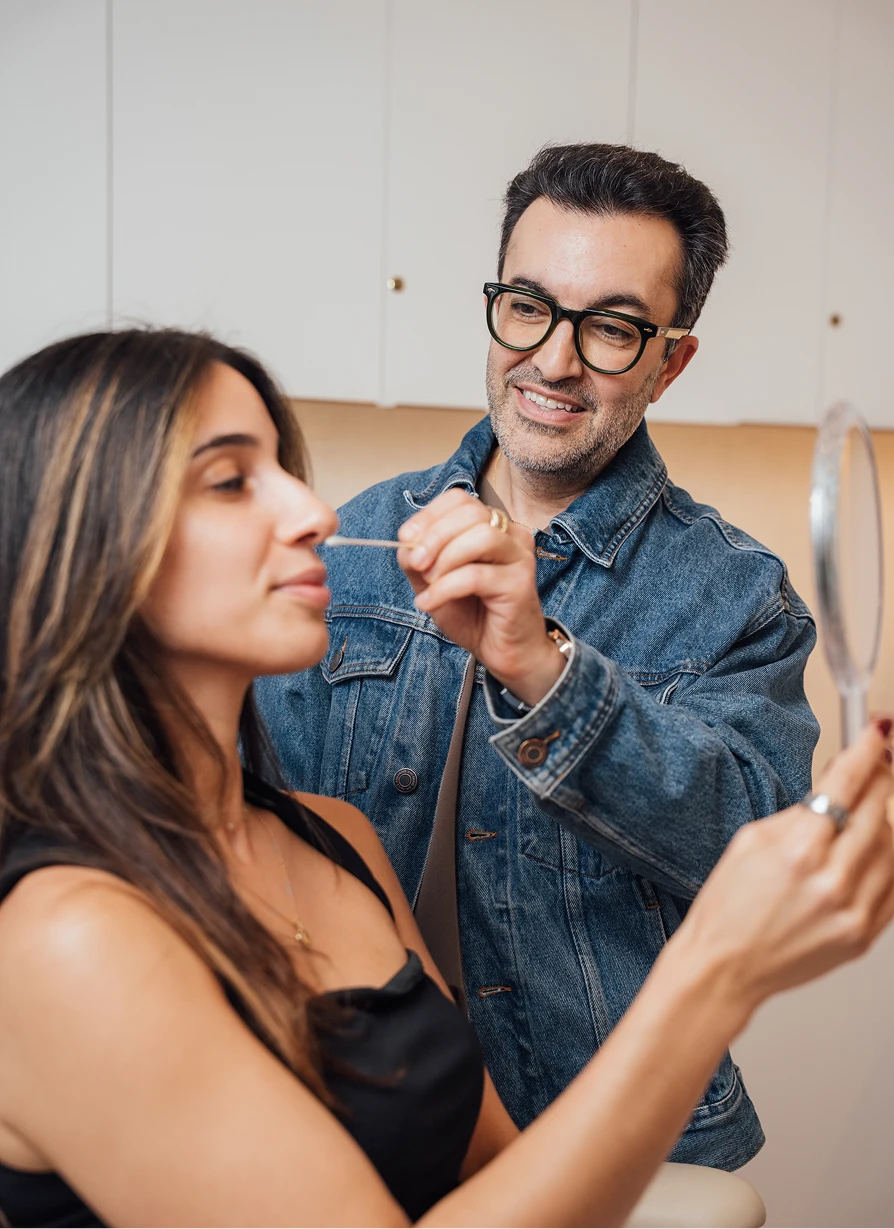
Treatments depend on the severity of the scars. In some cases, Dr. Moradzadeh may suggest a laser treatment, chemical peel, or microdermabrasion to help improve the appearance of scarred areas.
- Laser Resurfacing: A laser removes the damaged top layer of skin and tightens the middle layer, leaving the skin smoother. This procedure can take anywhere from a few minutes to an hour. The physician will apply a topical anesthetic to minimize discomfort. It typically takes 3-10 days for the skin to heal completely.
- Dermabrasion: This treatment uses a rotating wire brush or a spinning diamond instrument to wear down the skin’s surface. As the skin heals, a new, smoother layer replaces the abraded skin. It may take a bit longer for the skin to heal after dermabrasion—usually between 10 days and 3 weeks.
- Fractional Laser Therapy: This treatment targets multiple layers of the skin. Because fractional laser therapy doesn’t affect the entire skin surface, healing time is shorter. Mild redness will resolve over 4-7 days, depending on the strength of the treatment.
- Dermal Fillers: Dermal fillers can be injected into acne scars to raise the skin’s surface and give the area a smoother appearance. This treatment does not permanently correct acne scars, so further injections are required.
- Punch Excision: This surgical method for correcting acne scars is used to treat deep scars, such as icepick and deep boxcar scars. This procedure uses a punch biopsy tool, a round, sharp “cookie-cutter” that comes in a variety of diameters, matched to the size of the scar. Under local anesthesia, the scar is excised with the punch tool, and the skin edges are sutured together. The newly produced scar eventually fades and may not even be noticeable. If it is noticeable, it is more amenable to resurfacing techniques.
- Subcutaneous Incision: During a subcutaneous incision treatment, a small needle is inserted parallel to the skin’s surface. The tool is used to cut bands of scar tissue that may have formed beneath the epidermis. These bands of tissue pull at the skin, creating an uneven or “wave-like” appearance. When these bands are cut, the tension is relieved, and the skin immediately looks smoother and more even.
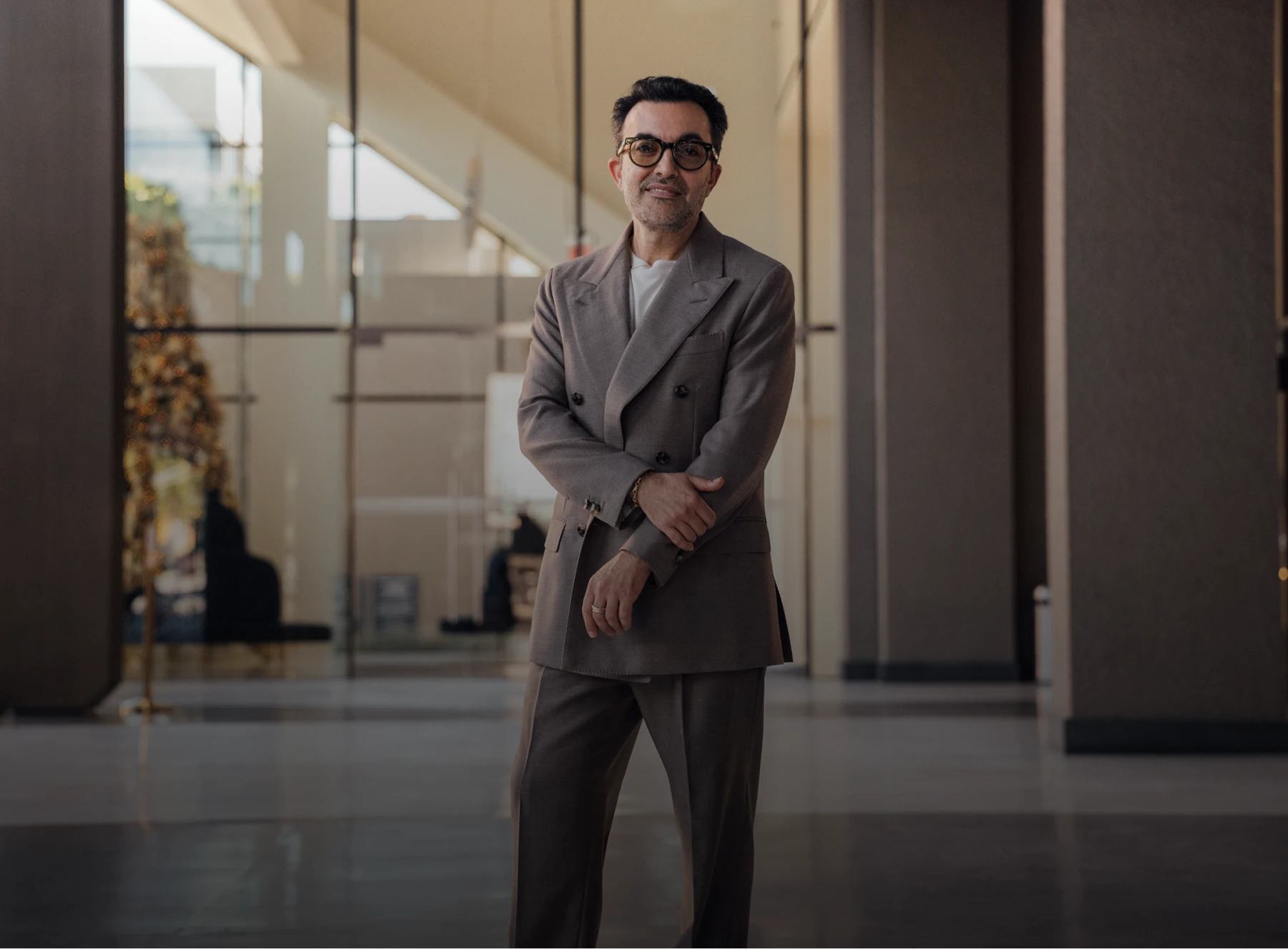
Dr. Moradzadeh is an expert in the management of acne scars. He will create a custom program that meets your specific skin needs. Frequently, patients require a treatment plan that incorporates several modalities to achieve healthy-looking skin with even tone and texture.