Chemical Peels

Beverly Hills, CA

Introduction

Introduction to Chemical Peel

Over time, the skin accumulates damage from sun exposure, environmental pollutants, acne, and the aging process. These factors can lead to uneven tone, rough texture, discoloration, and fine lines that skincare products alone may not fully correct. At AMora MD in Beverly Hills, chemical peels are offered as a highly effective, medically guided solution to rejuvenate the skin by encouraging healthy cell turnover and revealing a smoother, brighter complexion beneath the surface.

Serving Beverly Hills and the greater Los Angeles area, AMora MD’s chemical peels are performed with a focus on safety, precision, and long-term skin health, regardless of the goal.

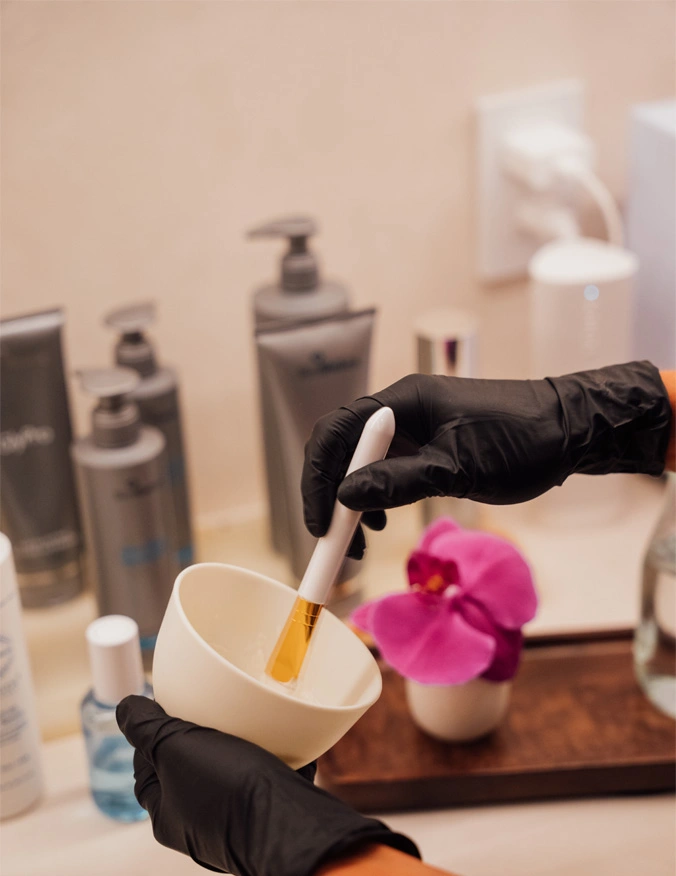
photo featuring multiple products on a counter. The objects in the background are slightly blurred. In this background, we can see a tray with a pink flower on it and a jug with water in it. The foreground shows a set of hands mixing a solution in a white bowl. The hands where black gloves and a white small spatula. - Chemical peels in Santa Barbara, CA.

What is a Chemical Peel?

A chemical peel is a skin-resurfacing treatment that uses carefully selected chemical solutions to exfoliate the outer layers of the skin in a controlled manner. By removing damaged, dead skin cells, chemical peels stimulate the body’s natural healing response, allowing new, healthier skin to emerge. This process helps improve tone, texture, clarity, and overall skin quality. Chemical peels can be performed at varying depths (light, medium, or deep) depending on the skin concern being treated.

Transparent logo template

A light chemical peel targets the outermost layer of the skin, gently exfoliating and refreshing the complexion. These peels often use mild acids such as glycolic, lactic, or salicylic acid and are ideal for treating dullness, mild discoloration, uneven texture, and minor breakouts.

Is a Chemical Peel Right for You?

Generally, fair-skinned patients in Los Angeles are better candidates for chemical peels. If you have darker skin, you may also achieve good results, depending on the type of problem being treated. However, you may also be more likely to experience an uneven skin tone after the procedure.

Skin sags, bulges, and more severe wrinkles do not respond well to chemical peels. They may need other cosmetic surgical procedures, such as laser resurfacing, a facelift, a brow lift, an eyelid lift, or soft-tissue fillers. Dr. Moradzadeh can help determine the most appropriate type of treatment for you. Be sure to notify the doctor if you have any history of scarring or cold sores.

What Are the Benefits of a Chemical Peel?

Chemical peels can be done on the face, neck, or hands. They can be used to:

  • Reduce fine lines under the eyes and around the mouth
  • Treat wrinkles resulting from sun damage and aging
  • Improve the appearance of mild scars
  • Treat certain types of acne
  • Reduce age spots, freckles, and dark patches (melasma) due to pregnancy or taking birth control pills.
  • Improve the skin’s look and feel.

After a chemical peel, the skin is temporarily more sensitive to the sun; wear sunscreen daily. It should be labeled “broad-spectrum,” meaning it protects against the sun’s UVA and UVB rays.

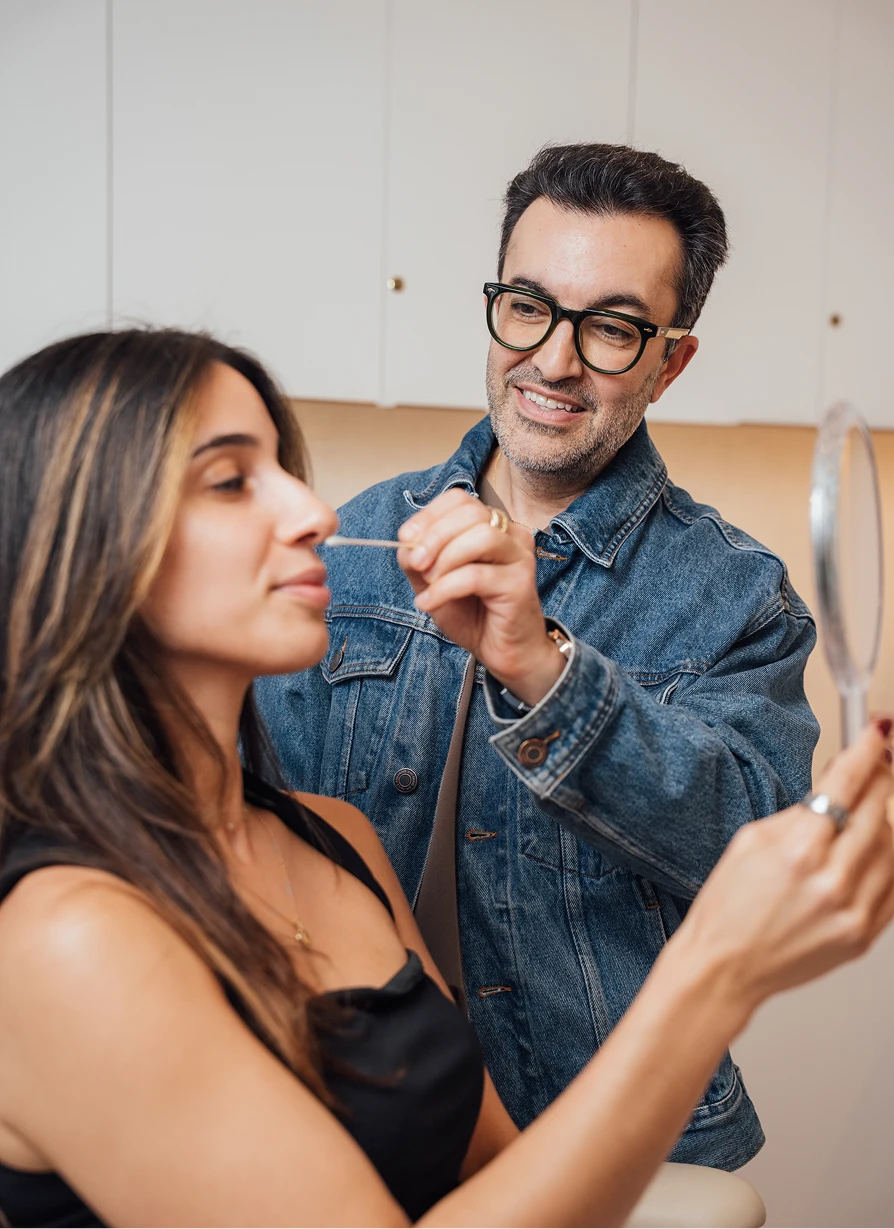
Dr. Moradzadeh, wearing a jean jacket, shown examining a patient. Patients holding a mirror in front of her. - First step in Santa Barbara, CA Long shot of a granite rock wall

What’s the First Step?

We need to determine which peel level best suits your skin type and needs. Your first step toward a chemical peel at AMora MD is a consultation at the Beverly Hills office in the greater Los Angeles area. During this visit, your skin type, medical history, lifestyle, and aesthetic goals are evaluated in detail. This enables Dr. Moradzadeh to determine the optimal peel depth and formulation for your needs. You’ll also receive guidance on pre-treatment skincare, post-procedure care, and realistic expectations for results and recovery.

Understanding the procedure

The doctor first thoroughly cleans the skin, then applies one or more chemical solutions, such as glycolic acid, trichloroacetic acid, salicylic acid, lactic acid, or carbolic acid (phenol), to small areas of your skin. That creates a controlled wound, allowing new skin to take its place.

During a chemical peel, most people feel a burning sensation that lasts about five to ten minutes, followed by a stinging sensation. Applying cool compresses to the skin will ease the stinging. Pain medication may be required during or after a deeper peel.

Dr. Moradzadeh, wearing a jean jacket, shown examining a patients nose with a cotton swab. - Expect in Santa Barbara, CA
Transparent template

What to Expect Afterwards

Depending upon the type of chemical peel, a reaction similar to sunburn may occur following the procedure. Peeling typically involves redness followed by scaling, which resolves within 3 to 7 days. Mild peels may be repeated at one to four-week intervals until you get the look you’re after.

Medium-depth and deep peeling may cause swelling and blisters that may break, crust over, turn brown, and peel off over 7 to 14 days. Medium-depth peels may be repeated every 6 to 12 months, as needed.

After treatment, the patient will apply the ointment to the treated area for several days, either partially or fully. Also, it’s advisable to avoid the sun for several months after a chemical peel, as the new skin will be photosensitive.

How Much Does a Chemical Peel Cost in Los Angeles, CA?

The cost of a chemical peel in Beverly Hills and Los Angeles varies depending on the depth of the peel, the size of the treatment area, and the number of sessions required. Light peels are typically more affordable and may be offered as part of a treatment series, while medium and deep peels involve a higher investment due to their complexity and recovery requirements.

Why Choose Dr. Moradzadeh?

Dr. Arash Moradzadeh of Los Angeles, CA, is a dual board-certified facial plastic surgeon with extensive expertise in facial aesthetics and skin rejuvenation. Affiliated with the American Board of Facial Plastic and Reconstructive Surgery (ABFPRS), the American Board of Otolaryngology (ABO), and the American Academy of Facial Plastic and Reconstructive Surgery (AAFPRS), his deep understanding of facial anatomy and skin physiology allows him to perform chemical peels with precision in such a way that ensures results that enhance skin quality while maintaining safety. Each treatment plan is designed with long-term skin health in mind rather than quick, temporary fixes.

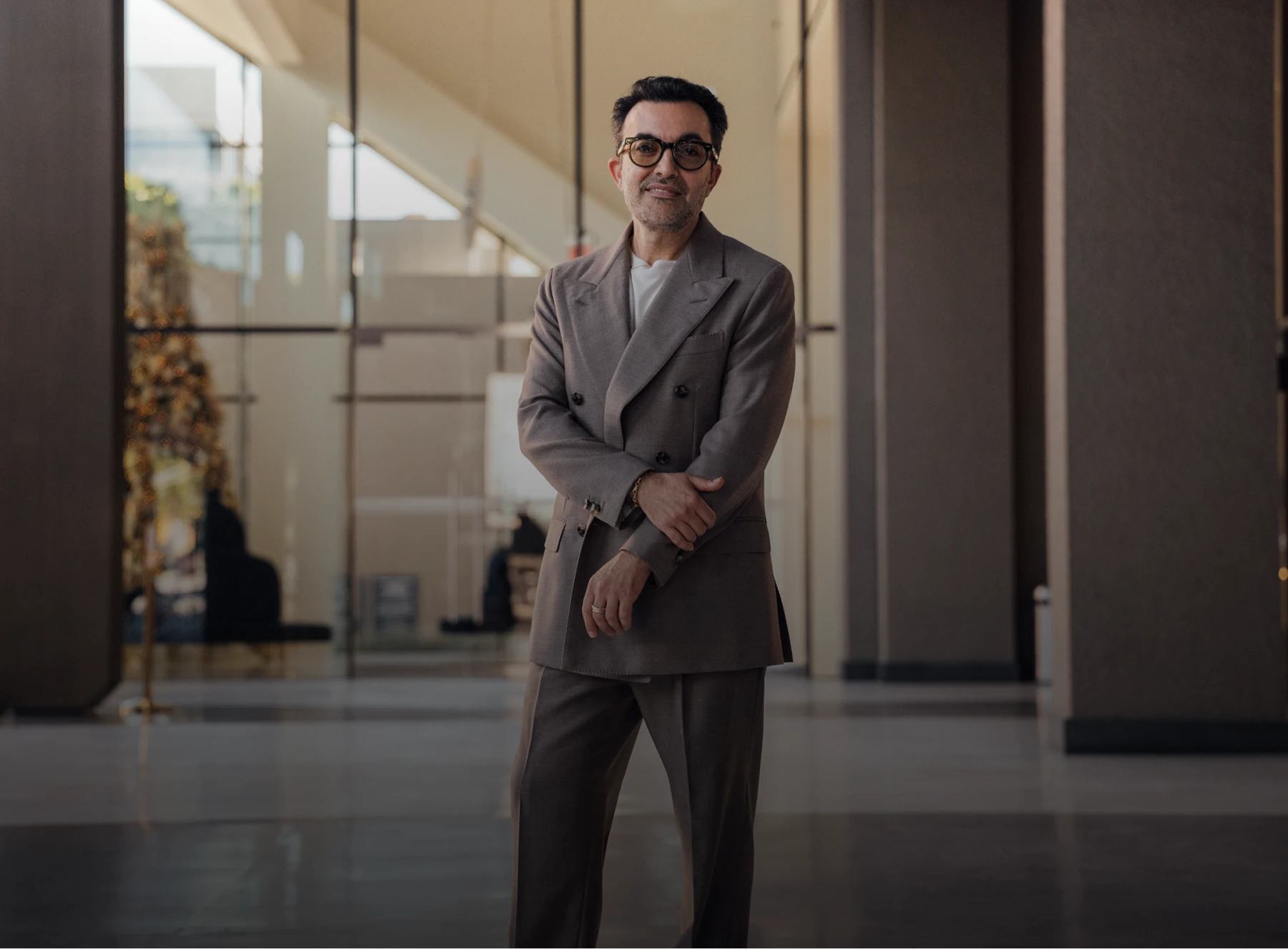
Dr. Moradzadeh wearing a brown suit and white shirt, portrait posed

Chemical Peels FAQ’S

Schedule Your Consultation

Our Beverly Hills practice proudly serves patients from Los Angeles and surrounding areas, offering customized skin treatments in a professional, discreet environment. Contact AMora MD today to learn more about how a chemical peel can help you achieve healthier, more radiant skin.