Rhinoplasty

Beverly Hills, CA

Introduction

Introduction to Rhinoplasty

Rhinoplasty is the second most common cosmetic procedure among both men and women. It is also one of the trickiest procedures from a surgical standpoint, so it requires the skill and artistry of a trained expert like Dr. Moradzadeh in Los Angeles.

At AMora MD, we specialize in improving the function and aesthetics of the nose through rhinoplasty. Whether you are seeking nose augmentation, breathing improvements, correction of a nose hump, or more, we offer services in Beverly Hills, CA, to help.

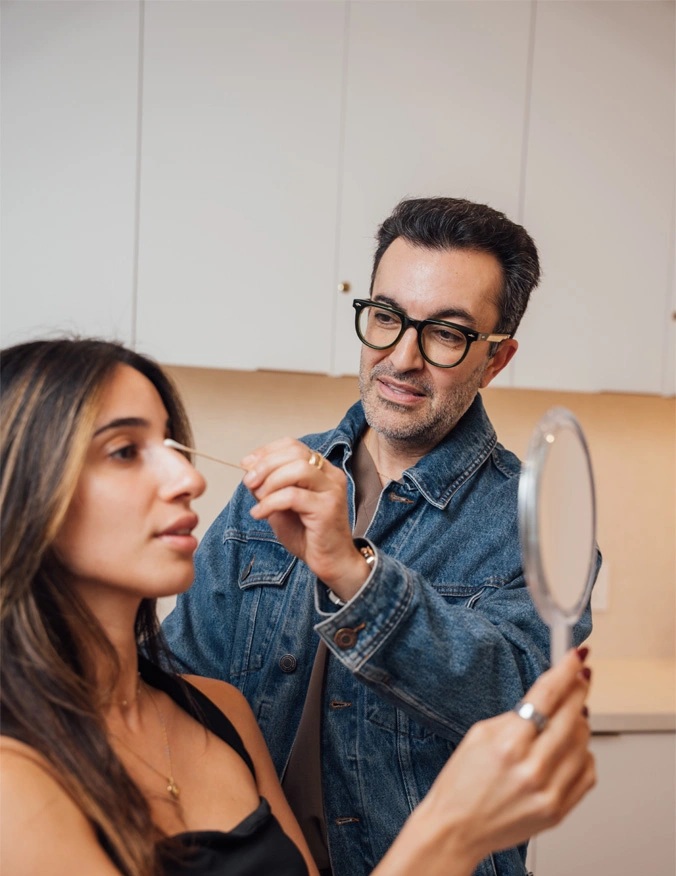
Dr. Moradzadeh is wearing a jean jacket and his glasses. he is holding a long q-tip along the patients nose. The patient has a smile on her face while looking at a mirror she holds in front of her. She has dark brown hair and dark eyes.

What Is Rhinoplasty?

The word “rhinoplasty” is derived from the phrases “nose molding” or “nose forming,” with the first nasal reshaping procedures going back as far as 18871. Often referred to as a “nose job,” this surgical procedure involves reshaping the nose. Modifications may involve adding or removing bone or cartilage, transplanting tissue from other parts of the body, or incorporating artificial elements to reshape the nose. Nose surgery can reduce or enlarge the nose, improve symmetry, and address imperfections that concern our patients.

Transparent logo template

What Can Rhinoplasty Treat?

Deviated Septum

Rhinoplasty can address this common issue, in which the wall between your nasal passages is misaligned. This treatment can improve breathing and enhance sleep quality.

Nasal Obstruction

If breathing through your nose feels blocked, nasal surgery might be the solution. This procedure can clear pathways and facilitate better airflow.

Nose Size

Concerns about your nose being too large or too small can be addressed with nose augmentation or reduction. This process adjusts the size to improve facial harmony, allowing it to blend with the rest of your features.

Nose Width

Rhinoplasty can refine the width of your nose, making it more proportionate to your facial structure. A narrower appearance can be achieved for those who feel their nose is too broad.

Nasal Tip

For those unhappy with the appearance of their nasal tip, nose reshaping offers a way to modify its shape, elevation, or definition.

Nostril Size and Position

A nose job can also correct imbalances in your nostrils, enhancing symmetry and improving overall nasal aesthetics.

Nasal Asymmetry

Through nose surgery, subtle adjustments can create a more balanced, symmetrical nasal appearance, addressing any asymmetry.

Rhinoplasty Procedures We Perform

Functional rhinoplasty is performed to correct structural abnormalities, such as a deviated septum, collapsed nasal valves, or enlarged turbinates, that impede proper breathing. Dr. Moradzadeh utilizes sophisticated techniques to maximize your comfort and quality of life, providing relief from headaches, sinusitis, and poor sleep.

Who Are the Best Candidates for Rhinoplasty?

Ideal candidates for rhinoplasty are individuals seeking improvement in the appearance or function of their nose. You should be in good general health, have realistic expectations, and be a non-smoker to reduce surgical risks and enhance healing.

Additionally, surgeons commonly recommend that females postpone functional rhinoplasty until they reach 16 years of age, and that males postpone it until they are 16 to 18 years old. This is to ensure that the nose has fully developed before any alterations are made. While there is no strict upper age limit for undergoing this surgery, it’s important to note that as one ages, the nose’s structure may change, and existing health issues may make the procedure less suitable. Consulting with Dr. Moradzadeh can clarify whether functional rhinoplasty is a good option for you.

What Are the Benefits of Rhinoplasty?

Performed by Dr. Moradzadeh with a nuanced sense of balance and beauty, rhinoplasty offers a range of significant benefits. These include:

  • Refines the nasal tip, bridge, and nostrils
  • Restores a balanced, attractive profile
  • Boosts confidence and self-esteem
  • Improves breathing and sleep quality
  • Lasting, transformative results
  • Natural-looking changes
Dr. Moradzadeh, wearing a jean jacket, shown examining a patient. Patients holding a mirror in front of her. - First step in Santa Barbara, CA Long shot of a granite rock wall

What’s the First Step?

Preparation for rhinoplasty surgery involves several steps: scheduling a consultation to discuss goals and expectations, undergoing a physical examination and possibly lab tests, stopping smoking, and avoiding certain medications. It’s also advised to arrange for a friend or family member to drive you home post-surgery and assist you during the first few days of recovery.

Rhinoplasty Preparation Best Practices

Each patient’s rhinoplasty preparation process can vary based on individual factors, which is why we always recommend reviewing best practices during a consultation with Dr. Moradzadeh. That said, there are several universal practices and precautions that every future patient can follow to support a safe and effective outcome.

Each patient’s rhinoplasty preparation process can vary based on individual factors, which is why we always recommend reviewing best practices during a consultation with Dr. Moradzadeh. That said, there are several universal practices and precautions that every future patient can follow to support a safe and effective outcome.

These practices include, but are not limited to:

  • Avoiding certain medications and/or supplements as directed
  • Avoiding smoking
  • Avoiding vigorous exercise and other heavy activities
  • Arranging transportation
  • Meal prepping before surgery
  • Maintaining a healthy lifestyle (rest, hydration, diet, etc.)

Keep in mind that some of these guidelines apply only for a short window of time, and your particular case may warrant additional pre-op precautions based on your specific presentation, medical history, and other factors.

What to Expect on the Day of Rhinoplasty Surgery

In a rhinoplasty procedure, incisions are created by the surgeon to reach the nose’s underlying bones and cartilage. The modifications involve either removing bone and cartilage or adding tissue, which may come from a different part of the patient’s body or a synthetic source, depending on what is needed to achieve the desired outcome. Once Dr. Moradzadeh has altered and sculpted the bone and cartilage, the nasal skin and tissue are carefully repositioned to conform to the new nasal framework. To maintain the nose’s new contour during recovery, a splint is applied externally, and internal nasal packing might be used to provide extra stability.


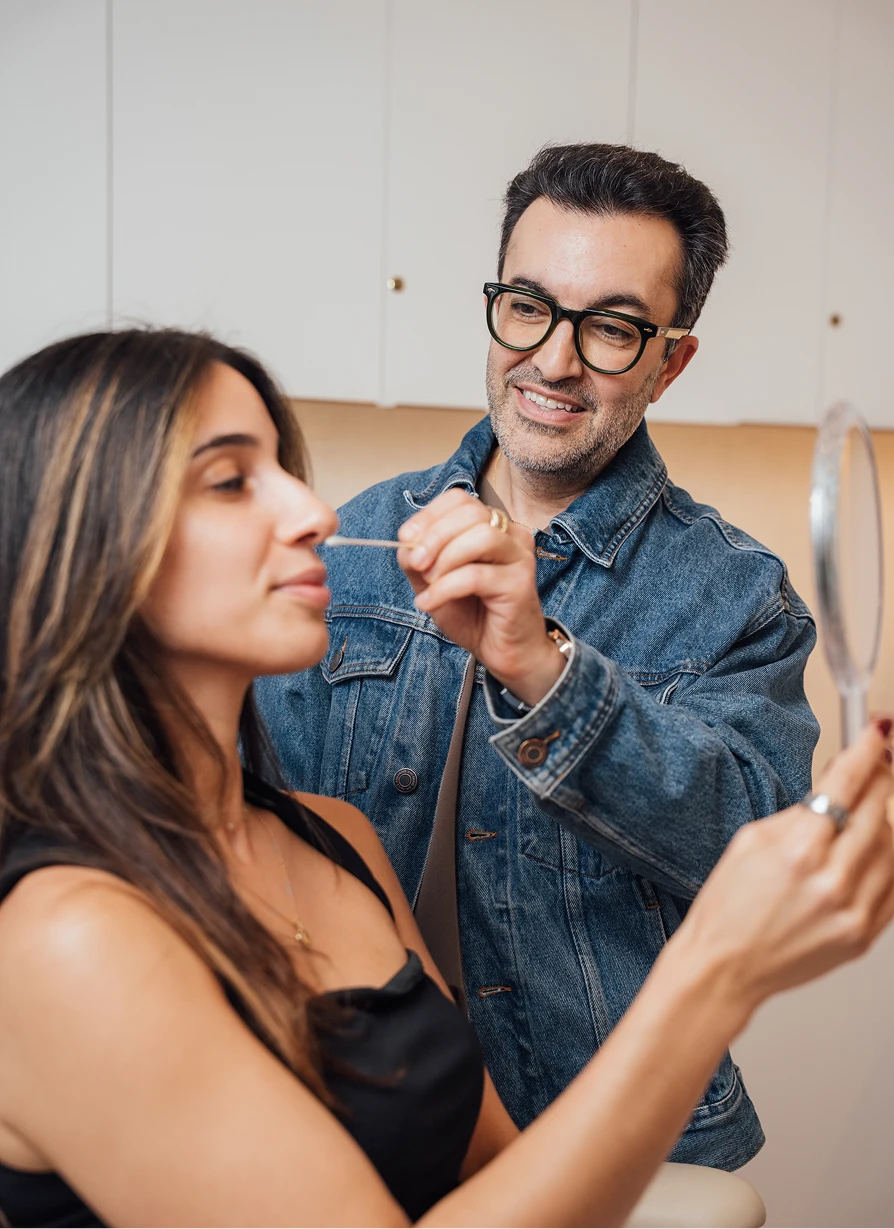
Dr. Moradzadeh, wearing a jean jacket, shown examining a patients nose with a cotton swab. - Expect in Santa Barbara, CA
Transparent template

Open vs. Closed Rhinoplasty

While there are several approaches to rhinoplasty, they fall into two primary types: open and closed. Since these approaches differ in the visibility and access they provide the surgeon to the structures within the nose, the nature and extent of the work to be done often determine which approach is used.

Closed Rhinoplasty

In a closed rhinoplasty, all of the work is done using incisions made inside the nose. In an open rhinoplasty, the surgeon makes an additional incision that opens the nasal skin, providing more direct access to the tissues. Open rhinoplasty allows the surgeon to directly visualize the nasal anatomy, whereas the closed approach typically does not.

Open Rhinoplasty

While open rhinoplasty typically allows for more extensive and precise changes, it is more invasive and often leaves a scar. It may also be associated with greater swelling and other common issues. The closed approach is the opposite: it requires less downtime and scarring but limits the changes the surgeon can make.

Your Recovery Timeline for Rhinoplasty Surgery

Your Guide to Post-Rhinoplasty Care

Internal and external splints will remain on the patient for about a week after the nasal surgery and will then be removed by the surgeon. The individual may experience bruising and swelling for the first few weeks after the procedure and should plan to take at least 7 days off from work or school.

Even after the initial healing process, it can still take time for all the swelling to subside. The final shape of your nose can continue to settle and refine for the first year after your surgery. By the 12-month mark, all of the swelling should be gone, and you will be able to enjoy your full results.

How Much Does Rhinoplasty Cost in Los Angeles, CA?

The extent of work to be done, your facility and provider, and several other factors can affect the cost of your rhinoplasty procedure. As one of the more sophisticated procedures in cosmetic surgery, highly individualized for each patient, it is very difficult to establish a cost range, even when narrowed to a single provider. Consulting with Dr. Moradzadeh at AMora MD will provide a clearer cost estimate.

As for whether insurance covers rhinoplasty, the majority of major carriers consider the procedure not medically necessary, resulting in coverage denials. However, in the case of functional rhinoplasty, an approach meant to alleviate breathing and/or sinus problems, deviated septum, and other common issues, part or all of the procedure may be deemed medically necessary and covered. Whether cosmetic or functional, it never hurts to check with your provider before undergoing rhinoplasty.

Why Choose Dr. Moradzadeh?

Dr. Arash Moradzadeh is a highly skilled, dual-board-certified ENT/head and neck surgery and facial plastic and reconstructive surgeon, providing outstanding, individualized care at his world-class private practice, AM Facial Plastic. Dr. Moradzadeh has extensive expertise and a passion for innovative technology, making him a sought-after cosmetic authority in and beyond Beverly Hills and Los Angeles, CA.

A native of Los Angeles, Dr. Moradzadeh completed elite training at the University of California, San Diego, School of Medicine and then pursued a competitive otolaryngology–head and neck surgery residency at Washington University School of Medicine in St. Louis. He was then selected for two competitive fellowships in plastic surgery and regenerative medicine, and facial plastic and reconstructive surgery. Dr. Moradzadeh was subsequently recruited to teach advanced techniques in facial plastic surgery at Washington University Medical School.

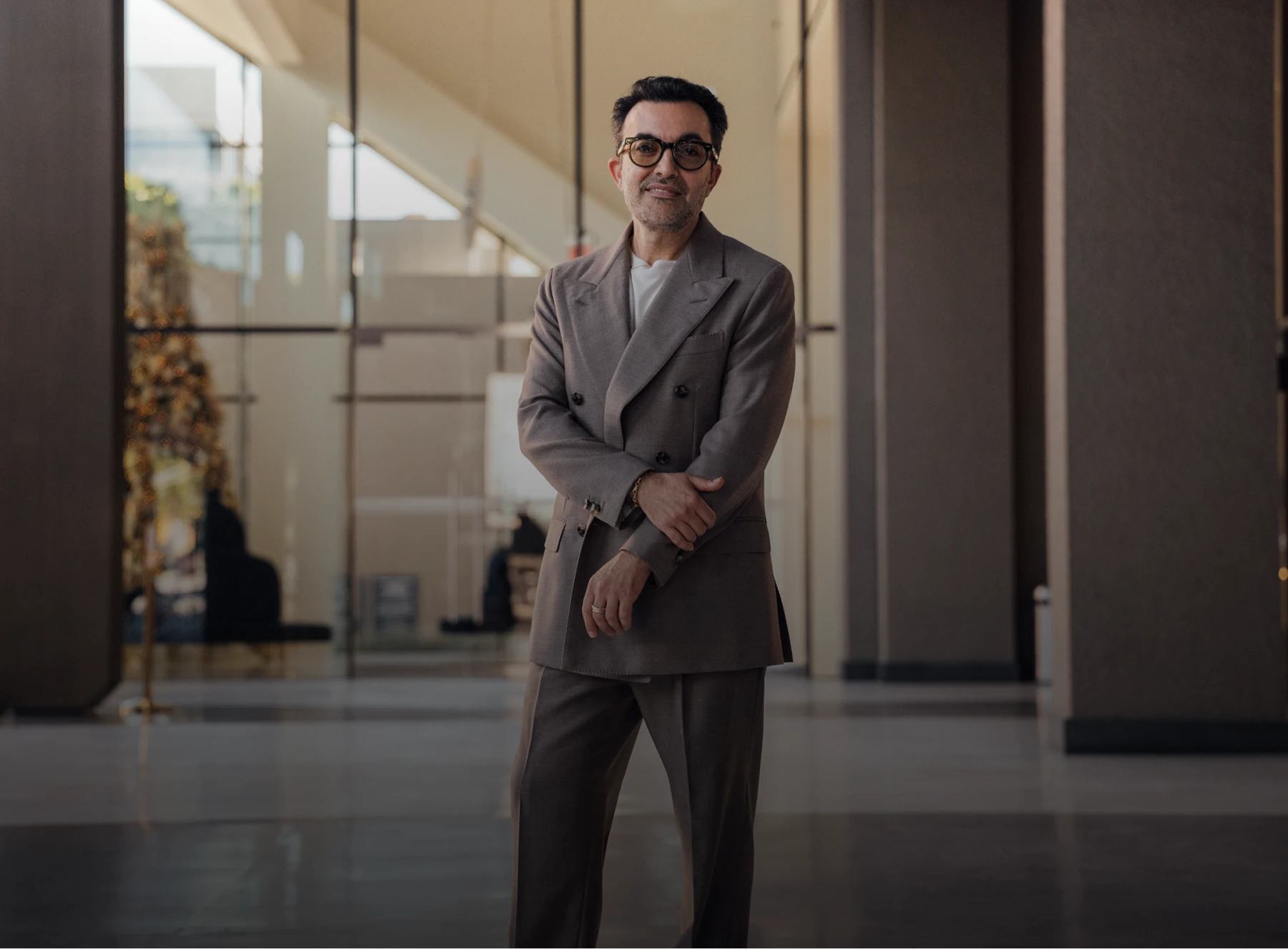
Dr. Moradzadeh wearing a brown suit and white shirt, portrait posed

Rhinoplasty FAQ’S

Schedule Your Consultation

Rhinoplasty can enhance your facial harmony by addressing structural or aesthetic concerns of the nose. At AMora MD in Beverly Hills, CA, we provide expert care and support throughout your healing process. For more details or to schedule a consultation, please contact us via our online form or call (310) 659-9900.

Sources

Tasman, A.-J. (2008). Rhinoplasty – indications and techniques. GMS Current Topics in Otorhinolaryngology, Head and Neck Surgery, 6, Doc09. https://pmc.ncbi.nlm.nih.gov/articles/PMC3199847/

Gerbault, O., Daniel, R. K., & Kosins, A. M. (2015). The Role of Piezoelectric Instrumentation in Rhinoplasty Surgery. Aesthetic Surgery Journal, 36(1), 21–34. https://doi.org/10.1093/asj/sjv167